A brief history of ink
The history of ink is closely linked to the development of writing. Here is a brief summary of the beginnings of "Tincta Aqua" up to today's highly technological liquid that serves us as a writing instrument.
Higher culture is difficult to imagine without the art of writing, as recordings on stones, clay vessels, and even wooden and wax tablets were extremely laborious to produce and therefore only of limited use in promoting and disseminating the culture of earlier peoples. With the development of new, thin materials like parchment and papyrus, which could also be written on with liquid ink, the dissemination of knowledge and achievements became significantly easier. The era of classical antiquity had thus begun.
In ancient Egypt, black ink was already in use by 3000 BC, and soon afterward in China as well. For a long time, it was made from soot and gum arabic as a binder. Iron gall ink, which is particularly durable and still used today as a document-proof ink, was already known in the 3rd century BC.
Papyrus scrolls written with ink have been found in Egypt, and despite their great age of several thousand years, they still retain their full brilliance and blackness. Later, from the 15th century onwards, bistre, made from the soot of various woods, was added, and in the 18th century, sepia, made from the ink sac of cuttlefish, was introduced.

In the 19th century, the development of modern chemistry led to many new dyes and possibilities. At the end of the 19th century, the Pelikan brand was at the forefront of this development, creating the famous 4001 ink. Pelikan also offered perfumed ladies' ink at that time. In 1901, Pelikan's iron gall ink, the first to be tested, became the world's best-selling ink. This makes it a true classic of writing culture.
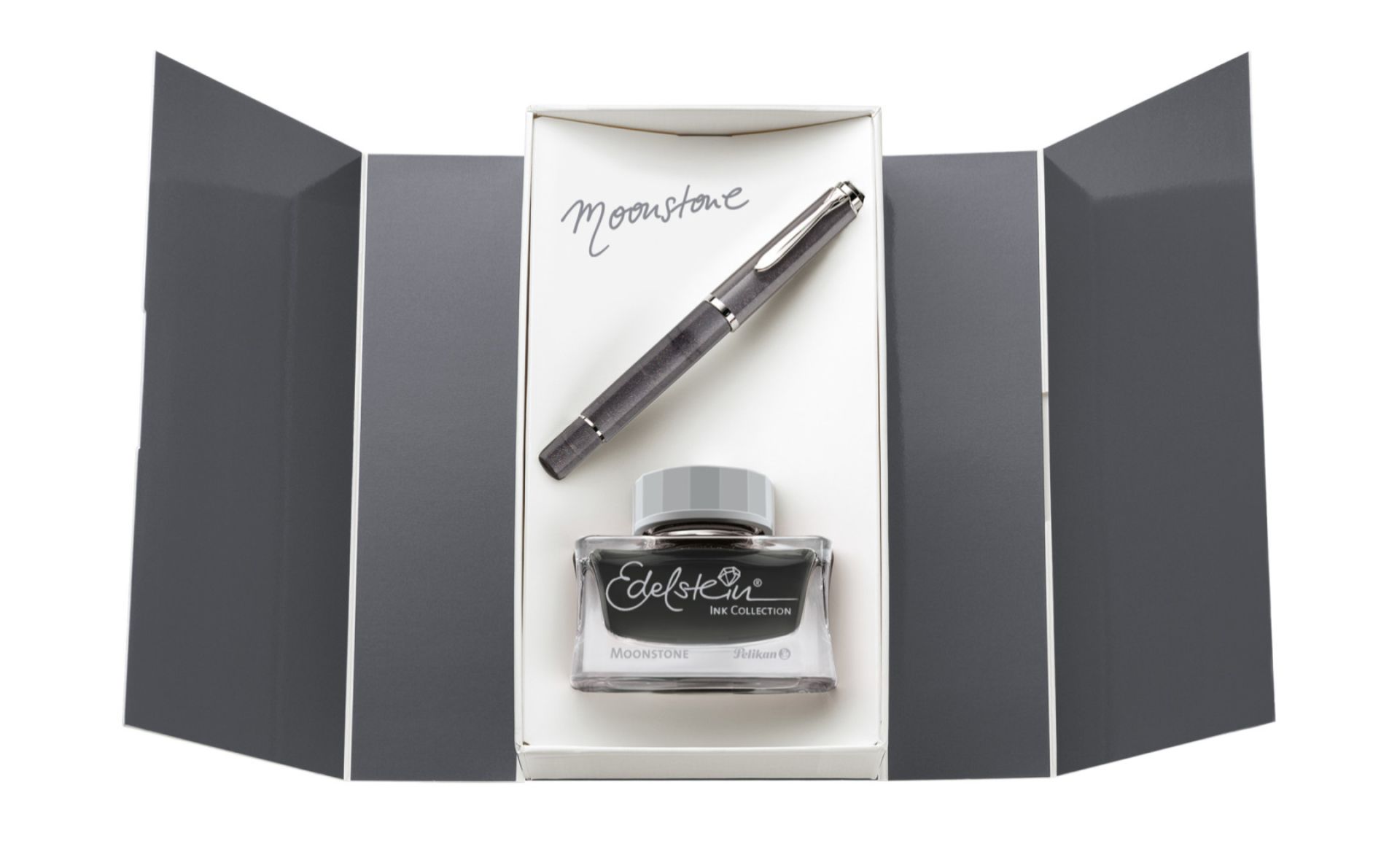
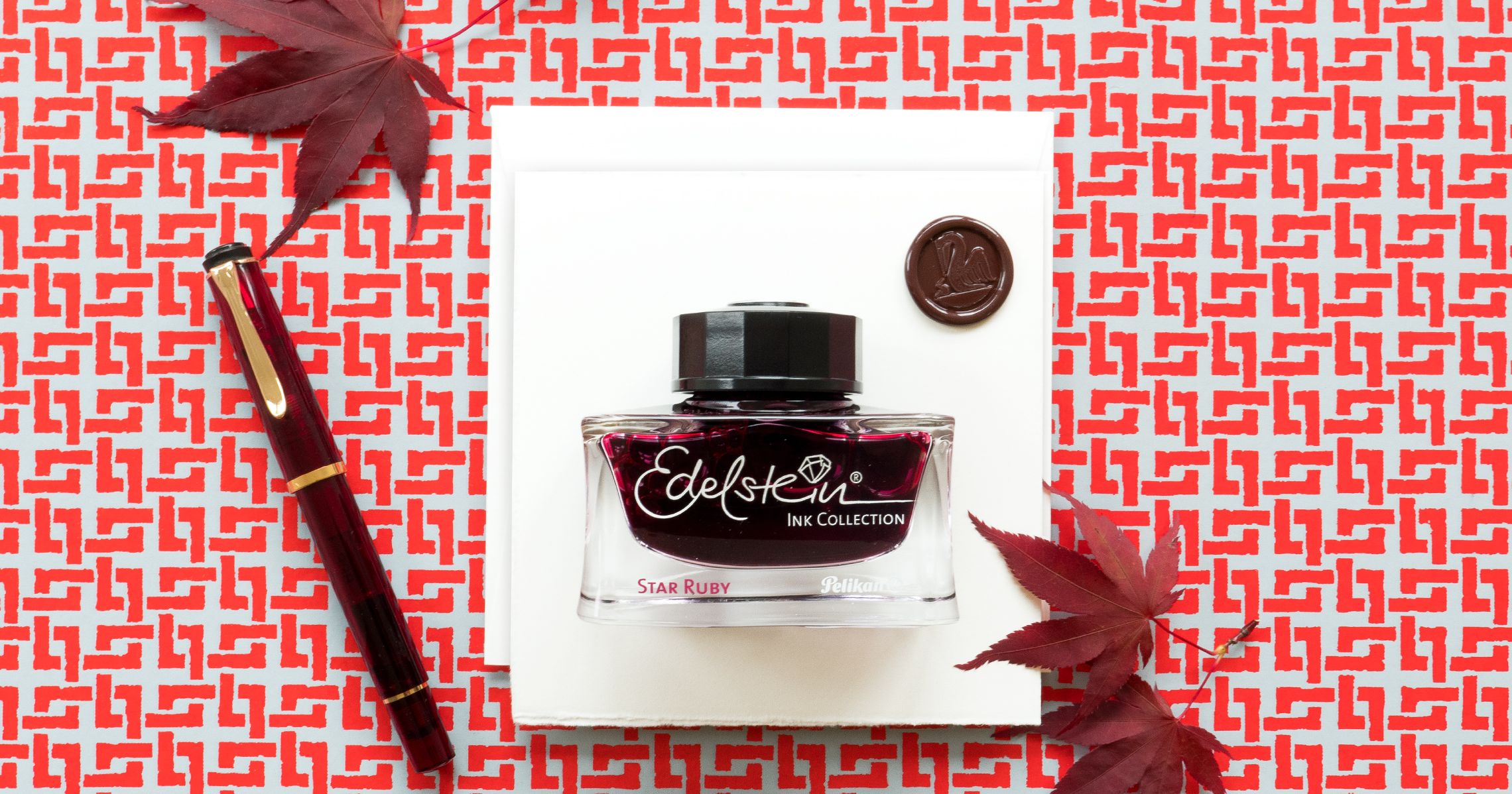
Today, ink usually consists of a solution or dispersion of colorants in water or other solvents, containing little or no binder. A completely new ink from Pelikan is "Gemstone Ink"—15 brilliant inks in gemstone colors provide a unique writing experience. With Gemstone Ink, the nib glides exceptionally smoothly across the paper and offers a high degree of reliability, as it is precisely matched to the delicate components of fountain pens.